
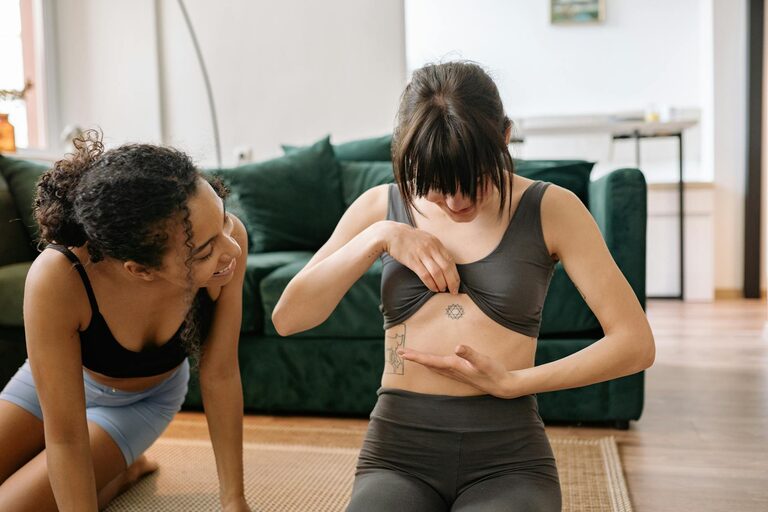
A Beginner’s Guide to Stretching at Home for Flexibility and Relaxation
Stretching is a simple yet powerful way to enhance your physical health, improve flexibility, and reduce stress. Whether you’re new to exercise or just want a gentle routine to start your day, stretching at home can be both enjoyable and beneficial. This beginner’s guide will walk you through the basics of stretching, how to get started safely, and some easy stretches you can do without any special equipment.
Why Stretch at Home?
Stretching regularly helps maintain the range of motion in your joints, prevents muscle stiffness, and can even improve circulation. Doing it at home means you can fit it easily into your daily routine without needing a gym or special gear. Plus, stretching can be a calming moment, helping your mind unwind and your body relax.
Understanding the Basics of Stretching
Before diving into stretches, it’s important to know a few key points to stay safe and get the most from your routine.
Types of Stretching
– Static stretching: Holding a stretch in one position for 15–60 seconds. Ideal for cooling down or gentle flexibility work.
– Dynamic stretching: Moving parts of your body through a full range of motion, usually done before exercise to warm up.
– Ballistic stretching: Involves bouncing motions. Not recommended for beginners as it can cause injury.
– PNF stretching: A more advanced technique involving contraction and relaxation of muscles, usually done with a partner.
Safety Tips
– Always warm up with light activity like walking or marching in place before stretching.
– Stretch slowly and gently; avoid bouncing or sudden movements.
– Breathe deeply and regularly while stretching.
– Never stretch to the point of pain; a gentle pull or mild tension is enough.
– Focus on balance; stretch both sides of the body evenly.
Setting Up Your Space for Stretching
You don’t need much – just a quiet spot with enough room to move freely. Here’s what you might consider:
– A yoga mat or soft carpet for comfort.
– Comfortable clothing that allows full movement.
– Optional: a chair or wall for support during balance stretches.
Beginner-Friendly Stretches to Try at Home
Here are some simple stretches that target major muscle groups. Hold each stretch for about 20–30 seconds and repeat 2–3 times if you feel comfortable.
Neck Stretch
– Sit or stand tall.
– Gently tilt your head toward your right shoulder until you feel a stretch on the left side of your neck.
– Use your right hand to apply gentle pressure if needed.
– Switch sides.
Shoulder Stretch
– Bring your right arm across your chest.
– Use your left hand to press your right arm closer to your body.
– Keep shoulders relaxed and avoid twisting your torso.
– Switch arms.
Chest Opener
– Clasp your hands behind your back.
– Straighten your arms and gently lift your hands away from your lower back.
– Open your chest and look slightly upward.
Cat-Cow Stretch (Spinal Mobility)
– Start on your hands and knees.
– Inhale: arch your spine downward, lifting your head and tailbone (cow pose).
– Exhale: round your spine upward, tucking your chin and tailbone (cat pose).
– Repeat slowly for 5–10 breaths.
Seated Hamstring Stretch
– Sit on the floor with one leg extended.
– Keep your back straight and gently reach toward your toes.
– Feel the stretch along the back of your thigh.
– Switch legs.
Calf Stretch
– Stand facing a wall.
– Place your hands on the wall at shoulder height.
– Step back with one foot, keeping it flat on the floor and the knee straight.
– Lean forward slightly until you feel a stretch in your calf.
– Switch legs.
Creating a Routine That Works for You
Consistency is key. Aim to stretch at least 3–4 times a week, or daily if possible. You can stretch:
– In the morning to wake up your body.
– During breaks at work or study to relieve tension.
– After exercise for muscle recovery.
– Before bed to relax and prepare for sleep.
Try to set aside 10–15 minutes each session. Remember, your routine can be flexible — even short bursts of stretching make a difference.
Additional Tips for Stretching Success
– Stay hydrated, especially if you’re stretching as part of a workout.
– Listen to your body and progress at your own pace.
– Pair stretching with other healthy habits like deep breathing or mindfulness.
– Consider following along with beginner stretch videos online to guide your form.
When to See a Professional
If you have any existing injuries or chronic pain, it’s a good idea to check with a healthcare or fitness professional before beginning a stretching routine. They can help tailor exercises that suit your needs.
—
Stretching at home is an accessible and rewarding activity that supports your body and mind. With patience and regular practice, you’ll notice improvements in flexibility, comfort, and overall relaxation. Start with these simple steps today, and enjoy the benefits every day!
